
Energy-efficient window replacement
Your source for energy-efficient windows
We’ll help you find the right windows for your home.

Trusted By







Who we are
Choose wisely
Building, buying, or staying put, your windows matter more than you might think.
The windows in your home can save you, or cost you, tens of thousands of dollars over the years you own it.
Building a new home
Make a reputable window manufacturer or dealer your first call.
Lived there a while
That same call should be at the top of your list, too.

Embrace nature
Windows keep you connected to the world beyond your walls. See who’s pulling up, check the weather, and enjoy a front-row seat to the changing seasons.
Learn more
Home comfort
Good windows do more than frame a view. They keep things warm and cozy when it’s cold out, and refreshingly cool when the heat rolls in.
Learn more
Energy efficiency
Windows have a real impact on your monthly heating and cooling bills, and they bring warmth and brightness to every room. In short, windows matter.
Learn moreBuilding, buying, or upgrading
The importance of windows in your home
Windows belong at the top of your list. They’re easy to overlook, but their quality and efficiency shape your comfort and your long-term finances.
What your windows affect
Monthly utility bills
Year-round comfort
Your home’s overall value
Tens of thousands of dollars over the years
Thanks, your quote request is in
A TRX Windows specialist will contact you shortly to go over your project.
Want to talk now? Call toll free 1-877-817-2209
What a window replacement costs
| Project budget range | Average price |
|---|---|
| Low | $150–$400 |
| Medium | $400–$700 |
| High | $700–$1,200+ |
| Type of window glass | Average cost to replace |
|---|---|
| Single-pane glass | $100–$400 |
| Double-pane glass | $613–$1,307 |
| Triple-pane glass | $400–$700 |
| Low-E glass | $350–$850 |
| Gas-filled glass | $375–$1,000 |
| Laminated glass | $275–$600 |
| Tempered glass | $175–$600 |
| Frosted glass | $300–$700 |
| Window frame type | Average cost per window |
|---|---|
| Vinyl | $391–$834 |
| Aluminum | $397–$846 |
| Fiberglass | $320–$683 |
| Wood | $875–$1,865 |
| Composite | $950–$1,800 |

Energy Savings
Energy-efficient savings
Today’s windows come loaded with energy-saving features.
- Double- or triple-pane glass
- High Energy Star ratings
- Argon gas fills
- Low-E coatings
- Soundproofing
$500–$3,100
Typical upfront cost per energy-efficient window
Up to $465
Potential savings on utility bills each year
Each upgrade you add may raise the cost of your replacement, but the long-term savings usually make it worth it. Our guide to window ratings can help you sort out which upgrades fit your needs.
Homeowner reviews
What homeowners are saying
This platform has completely transformed how we manage our marketing campaigns. The ease of use and powerful features have made a significant impact on our ROI.


The automation capabilities are incredible. We've saved countless hours and improved our customer engagement significantly.


The analytics and reporting features give us insights we never had before. Our conversion rates have improved by 40%.


IInstallation
Labor costs for new windows
Costs vary with your location, the type of window, and how long the project takes, since most contractors bill by the hour.
$70–$150
Labor and installation per standard-sized window
What can raise labor costs
- Cutting a new opening
- Garden windows
- Bow or bay windows
- Large arched windows
Labor and installation per standard-sized window
- Vinyl
- Affordable with solid energy efficiency, though it isn’t the best fit for every climate.
- Fiberglass
- Costs more than vinyl, and pays you back with greater durability, longevity, and energy efficiency.
- Composite
- A blend of wood with aluminum or vinyl, offering exceptional durability, longevity, and efficiency at a higher price.
- Aluminum
- Long-lasting and easy to care for, but not always the most energy-efficient choice.
Materials
Window frame material
Here’s a quick look at what to consider with each option.
The frame you choose shapes how your windows look, how well they hold up, and how much they help with your energy bills. There’s no single best material, only the one that fits your home, your climate, and your budget.
Vinyl is the go-to for value-minded homeowners who want solid efficiency without overspending. Fiberglass costs more up front but lasts longer and resists warping in extreme temperatures. Composite gives you the look of wood with far less upkeep, at a premium price. Aluminum is strong, slim, and low-maintenance, and works best where energy efficiency isn’t the top priority.
In the news
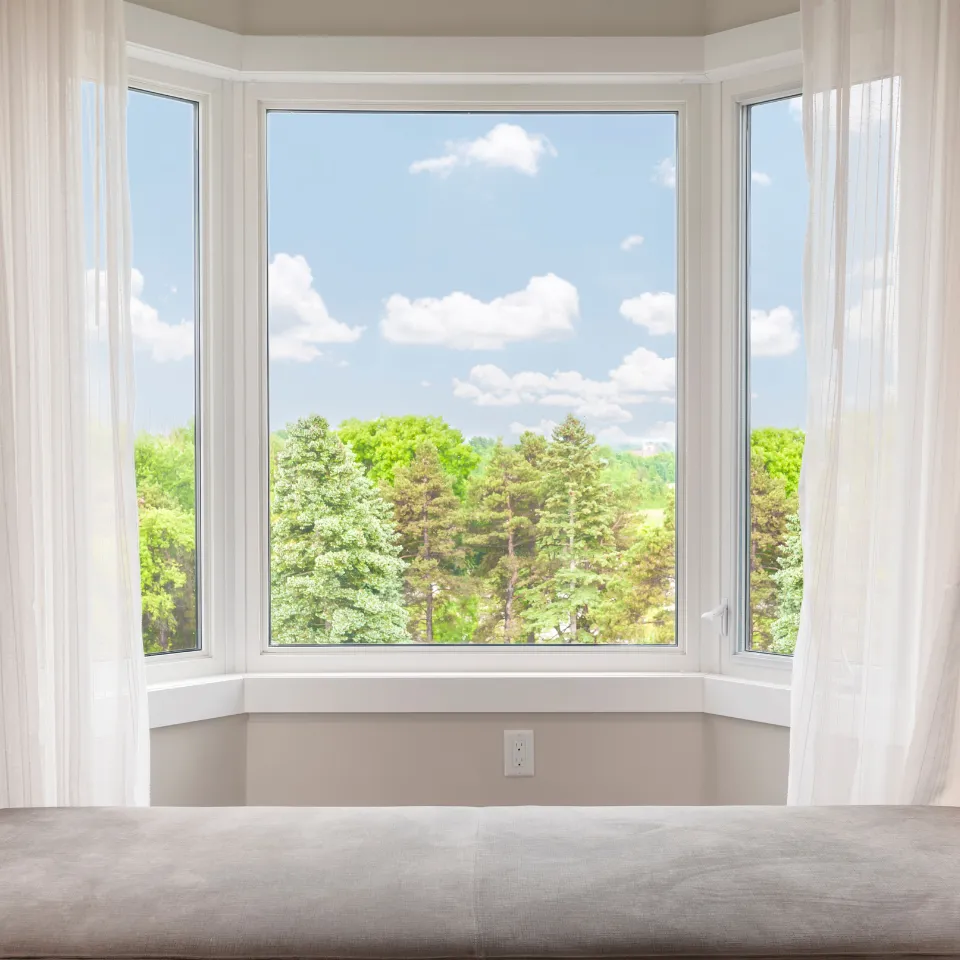
Understanding Low-E Coatings: What They Are and Why They Matter
Understanding Low-E Coatings: What They Are and Why They Matter
Windows are more than just a way to bring natural light into your home—they also play a crucial role in managing your home’s energy efficiency. One of the key technologies that make modern windows more energy-efficient is Low-E coatings. These special coatings help regulate the temperature inside your home, reduce energy consumption, and even protect your interior from harmful UV rays. In this article, we’ll break down what Low-E coatings are, how they work, and why they matter for energy efficiency and comfort.
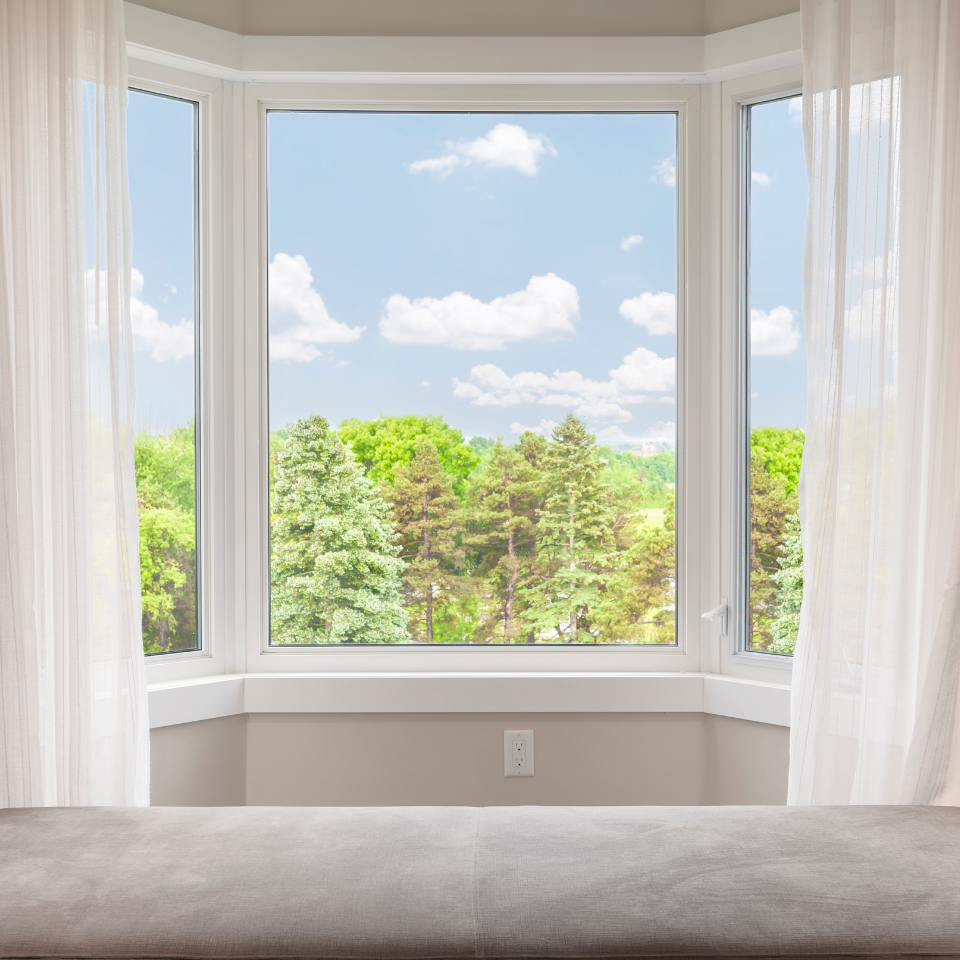
What is a Low-E Coating?
Low-E stands for low emissivity, which refers to the ability of a material to radiate heat energy. Low-E coatings are ultra-thin layers of metallic oxides, usually applied to the surface of the glass in windows. These coatings are designed to minimize the amount of ultraviolet (UV) and infrared (IR) light that passes through the glass without compromising the amount of visible light that enters your home.
In simpler terms, Low-E coatings act as a barrier between your home and the outside elements, reflecting heat back to its source. This helps keep your home warmer in the winter and cooler in the summer while still allowing natural light to shine through.
How Do Low-E Coatings Work?
To understand how Low-E coatings work, it’s important to know that heat is transferred in three ways: conduction, convection, and radiation. Low-E coatings specifically target radiation, the process by which heat is transferred via electromagnetic waves (like sunlight or heat from objects).
In the Winter: Low-E coatings reflect the interior heat back into your home, preventing it from escaping through the glass. This reduces the amount of energy needed to heat your home, keeping it warmer during the colder months.
In the Summer: The same coating reflects the infrared heat from the sun back outside, preventing the heat from entering your home and keeping the interior cooler. This reduces the need for air conditioning and lowers your energy bills.
The beauty of Low-E coatings is that they accomplish all this while still allowing visible light to enter your home. So, you can enjoy bright, sunlit rooms without the excessive heat that typically comes with it.
The Types of Low-E Coatings
There are two main types of Low-E coatings used in windows, each designed to perform optimally depending on your climate and energy needs:
Hard-Coat Low-E (Passive Low-E):
What it is: Hard-coat Low-E is applied directly to the glass during the manufacturing process when the glass is still in its molten form. As a result, the coating becomes fused with the surface of the glass, making it highly durable.
Best for: Hard-coat Low-E windows are ideal for colder climates because they are designed to allow some infrared light to pass through, which helps naturally heat your home during the winter. They are often used in places where passive solar heating is beneficial.
Durability: These coatings are very durable and can be used in applications where the glass is exposed, like single-pane windows or storm windows.
Soft-Coat Low-E (Solar Control Low-E):
What it is: Soft-coat Low-E coatings are applied to the glass in a vacuum chamber after the glass has cooled. These coatings are more effective at blocking heat transfer, especially from the sun’s infrared rays.
Best for: Soft-coat Low-E windows are ideal for warmer climates or homes that receive a lot of direct sunlight. They are better at reducing solar heat gain, keeping your home cooler in the summer months.
Energy Efficiency: Soft-coat Low-E windows are more energy-efficient than hard-coat versions, but the coatings are slightly less durable, which is why they are often sandwiched between layers of glass in double- or triple-pane windows.
The Key Benefits of Low-E Coatings
Installing windows with Low-E coatings can offer a wide range of benefits, both in terms of energy efficiency and overall home comfort. Let’s explore why they matter:
Energy Savings:
Lower Energy Bills: One of the biggest advantages of Low-E coatings is their ability to reduce energy consumption. By reflecting heat back to its source, these coatings reduce the workload on your HVAC system, leading to lower heating and cooling costs. According to the U.S. Department of Energy, energy-efficient windows with Low-E coatings can reduce energy loss by up to 30%.
Year-Round Efficiency: Whether it’s summer or winter, Low-E coatings help keep your home’s temperature stable. This year-round efficiency leads to consistent savings on your energy bills, no matter where you live.
Improved Indoor Comfort:
Temperature Regulation: Low-E coatings help maintain a more consistent indoor temperature by reducing heat transfer. In winter, rooms feel warmer, and in summer, they remain cooler, creating a more comfortable living environment without relying as heavily on heating and cooling systems.
Elimination of Hot and Cold Spots: Because Low-E windows reduce the impact of outdoor temperatures, they help eliminate those annoying hot spots near windows in the summer or cold drafts in the winter, making every room in your home more comfortable.
UV Protection:
Shield from Harmful UV Rays: Low-E coatings block a significant portion of the sun’s harmful UV rays, which can fade furniture, carpets, and even artwork over time. By installing Low-E windows, you can protect your belongings from sun damage, prolonging their life and maintaining their appearance.
Health Benefits: Reducing UV exposure can also be beneficial for your health, as excessive UV exposure is linked to skin cancer and other health issues.
Environmental Impact:
Lower Carbon Footprint: By reducing the need for excessive heating and cooling, Low-E windows help you use less energy, which in turn reduces your carbon footprint. The less energy your home consumes, the less strain it puts on power plants that often rely on fossil fuels, making this a more environmentally responsible choice.
Sustainability: Many Low-E windows are designed with sustainability in mind. Some are made with recyclable materials, and the overall reduction in energy consumption contributes to a more sustainable and eco-friendly home.
Improved Home Value:
Increase in Property Value: Energy-efficient upgrades like Low-E windows are attractive features to potential homebuyers. The promise of lower energy bills and improved comfort can increase your home’s value and marketability when it comes time to sell.
Return on Investment: While Low-E windows may have a slightly higher upfront cost, they often pay for themselves over time through energy savings. Additionally, you may be eligible for tax credits or rebates for energy-efficient home improvements, further offsetting the initial investment.
Where to Use Low-E Coatings
Low-E coatings are versatile and can be used in various types of windows, including:
Double or Triple-Pane Windows: Low-E coatings are often applied to double- or triple-pane windows, which provide even greater insulation by creating layers of air or gas between the panes. These windows are highly effective in reducing energy loss.
Skylights: Skylights are notorious for allowing excess heat into a home during the summer. By using Low-E coatings on skylights, you can still enjoy natural light without the downside of extra heat.
South and West-Facing Windows: These windows tend to receive the most direct sunlight and can benefit greatly from Low-E coatings that reduce solar heat gain and block UV rays, keeping your home cooler.
Choosing the Right Low-E Coating for Your Home
When selecting windows with Low-E coatings, consider the following factors to ensure you choose the right type for your needs:
Climate: In colder climates, a hard-coat Low-E window may be the best choice as it allows more heat to pass through, helping to naturally warm your home. In warmer climates, a soft-coat Low-E window that blocks solar heat gain will be more effective in keeping your home cool.
Window Placement: South- and west-facing windows often receive the most sunlight and can benefit the most from Low-E coatings. Consider installing Low-E windows in these areas to maximize energy efficiency.
Building Codes and Certifications: Look for windows with Energy Star certification, which indicates that they meet specific energy efficiency standards for your region. Energy Star-rated Low-E windows are designed to perform well in different climates, ensuring you get the most energy savings.
Conclusion
Low-E coatings are one of the most effective technologies for improving window energy efficiency. By reflecting heat, reducing energy loss, and blocking harmful UV rays, these coatings provide a balance of comfort, savings, and environmental benefits. Whether you’re building a new home or upgrading your existing windows, choosing Low-E windows is a smart, long-term investment that can make your home more energy-efficient and sustainable.
From lowering energy bills to improving indoor comfort, Low-E coatings are an essential feature for anyone looking to optimize the efficiency of their home. By understanding how Low-E coatings work and selecting the right type for your climate and needs, you can enjoy a more comfortable, cost-effective, and eco-friendly home year-round.

Free quotes
Get my quotes
Save up to 30%
Cut energy costs with new windows.
Energy-efficient windows quote
Window replacement or repair
Help choosing the right windows for your home
Prefer to talk? Call toll free 1-877-817-2209
Thanks, your quote request is in
A TRX Windows specialist will contact you shortly to go over your project.
Want to talk now? Call toll free 1-877-817-2209
Our team brings more than 20 years of combined home services and improvement experience. Cut energy costs by up to 30% with new windows while protecting your family and home.
Explore
Legal
Get in touch
3500 John F Kennedy Pkwy, Ste 310, Fort Collins, CO 80525
© 2026 TRX Windows | Opt-out form