
Energy-efficient window replacement
Your source for energy-efficient windows
We’ll help you find the right windows for your home.

Trusted By






Who we are
Choose wisely
Building, buying, or staying put, your windows matter more than you might think.
The windows in your home can save you, or cost you, tens of thousands of dollars over the years you own it.
Building a new home
Make a reputable window manufacturer or dealer your first call.
Lived there a while
That same call should be at the top of your list, too.

Embrace nature
Windows keep you connected to the world beyond your walls. See who’s pulling up, check the weather, and enjoy a front-row seat to the changing seasons.
Learn more
Home comfort
Good windows do more than frame a view. They keep things warm and cozy when it’s cold out, and refreshingly cool when the heat rolls in.
Learn more
Energy efficiency
Windows have a real impact on your monthly heating and cooling bills, and they bring warmth and brightness to every room. In short, windows matter.
Learn moreBuilding, buying, or upgrading
The importance of windows in your home
Windows belong at the top of your list. They’re easy to overlook, but their quality and efficiency shape your comfort and your long-term finances.
What your windows affect
Monthly utility bills
Year-round comfort
Your home’s overall value
Tens of thousands of dollars over the years
Thanks, your quote request is in
A TRX Windows specialist will contact you shortly to go over your project.
Want to talk now? Call toll free 1-877-817-2209
What a window replacement costs
| Project budget range | Average price |
|---|---|
| Low | $150–$400 |
| Medium | $400–$700 |
| High | $700–$1,200+ |
| Type of window glass | Average cost to replace |
|---|---|
| Single-pane glass | $100–$400 |
| Double-pane glass | $613–$1,307 |
| Triple-pane glass | $400–$700 |
| Low-E glass | $350–$850 |
| Gas-filled glass | $375–$1,000 |
| Laminated glass | $275–$600 |
| Tempered glass | $175–$600 |
| Frosted glass | $300–$700 |
| Window frame type | Average cost per window |
|---|---|
| Vinyl | $391–$834 |
| Aluminum | $397–$846 |
| Fiberglass | $320–$683 |
| Wood | $875–$1,865 |
| Composite | $950–$1,800 |

Energy Savings
Energy-efficient savings
Today’s windows come loaded with energy-saving features.
- Double- or triple-pane glass
- High Energy Star ratings
- Argon gas fills
- Low-E coatings
- Soundproofing
$500–$3,100
Typical upfront cost per energy-efficient window
Up to $465
Potential savings on utility bills each year
Each upgrade you add may raise the cost of your replacement, but the long-term savings usually make it worth it. Our guide to window ratings can help you sort out which upgrades fit your needs.
Homeowner reviews
What homeowners are saying
This platform has completely transformed how we manage our marketing campaigns. The ease of use and powerful features have made a significant impact on our ROI.


The automation capabilities are incredible. We've saved countless hours and improved our customer engagement significantly.


The analytics and reporting features give us insights we never had before. Our conversion rates have improved by 40%.


IInstallation
Labor costs for new windows
Costs vary with your location, the type of window, and how long the project takes, since most contractors bill by the hour.
$70–$150
Labor and installation per standard-sized window
What can raise labor costs
- Cutting a new opening
- Garden windows
- Bow or bay windows
- Large arched windows
Labor and installation per standard-sized window
- Vinyl
- Affordable with solid energy efficiency, though it isn’t the best fit for every climate.
- Fiberglass
- Costs more than vinyl, and pays you back with greater durability, longevity, and energy efficiency.
- Composite
- A blend of wood with aluminum or vinyl, offering exceptional durability, longevity, and efficiency at a higher price.
- Aluminum
- Long-lasting and easy to care for, but not always the most energy-efficient choice.
Materials
Window frame material
Here’s a quick look at what to consider with each option.
The frame you choose shapes how your windows look, how well they hold up, and how much they help with your energy bills. There’s no single best material, only the one that fits your home, your climate, and your budget.
Vinyl is the go-to for value-minded homeowners who want solid efficiency without overspending. Fiberglass costs more up front but lasts longer and resists warping in extreme temperatures. Composite gives you the look of wood with far less upkeep, at a premium price. Aluminum is strong, slim, and low-maintenance, and works best where energy efficiency isn’t the top priority.
In the news
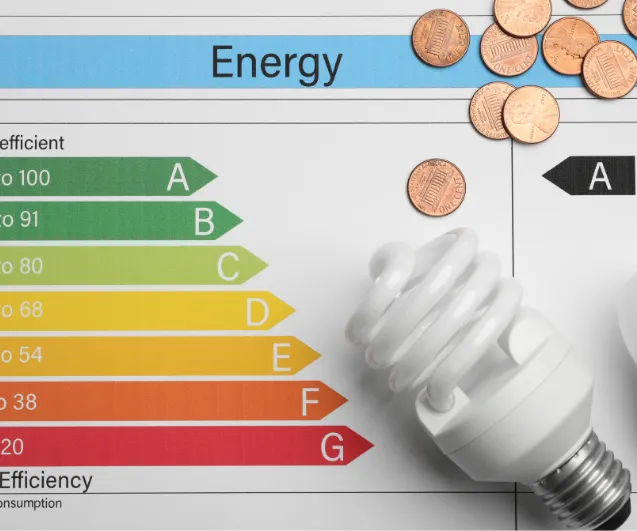
Decoding Energy Star Ratings for Windows: What You Need to Know
Decoding Energy Star Ratings for Windows: What You Need to Know
When shopping for energy-efficient windows, you may notice the blue Energy Star label prominently displayed. But what does this label really mean, and how can it help you make an informed decision about your windows? Understanding Energy Star ratings is essential for homeowners looking to reduce energy consumption, lower utility bills, and improve comfort. In this article, we’ll decode the Energy Star rating system for windows, explain the key performance metrics, and help you choose the right windows for your home.
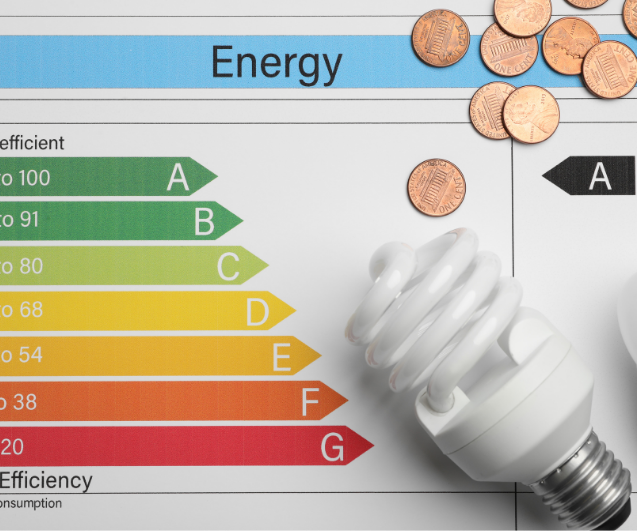
What Is Energy Star?
Energy Star is a government-backed program created by the U.S. Environmental Protection Agency (EPA) that certifies products based on their energy efficiency. Products that carry the Energy Star label have been independently tested and verified to meet strict energy performance standards. The program covers a wide range of products, including appliances, electronics, and building materials such as windows, doors, and skylights.
For windows, Energy Star certification indicates that the product meets energy-efficiency guidelines for reducing heat transfer, improving insulation, and lowering heating and cooling costs. By choosing Energy Star-certified windows, you can trust that you are investing in a product that will help improve your home’s energy performance and save you money over time.
Key Components of Energy Star Ratings for Windows
Understanding the key metrics behind Energy Star ratings will help you choose the best windows for your specific needs. Here are the most important performance metrics you’ll find on an Energy Star label:
U-Factor (U-Value):
What It Measures: The U-factor measures how well a window prevents heat from escaping. It represents the rate of heat transfer through the window, with lower numbers indicating better insulation and energy performance.
Ideal Value: For the best insulation, look for windows with a low U-factor, typically around 0.25 to 0.30. A lower U-factor means less heat loss during the winter, which keeps your home warmer and reduces heating costs.
Why It Matters: The U-factor is particularly important in colder climates where minimizing heat loss is crucial for maintaining indoor warmth and reducing reliance on heating systems.
Solar Heat Gain Coefficient (SHGC):
What It Measures: The Solar Heat Gain Coefficient (SHGC) measures how well a window blocks heat from sunlight. It is expressed as a number between 0 and 1, with lower values indicating better performance at reducing solar heat gain.
Ideal Value: In hot climates, look for windows with a low SHGC (typically below 0.30) to reduce heat gain from the sun and keep your home cooler. In colder climates, a higher SHGC (around 0.40 or above) may be preferable, as it allows more solar heat to enter and warm your home during the winter.
Why It Matters: SHGC is a critical factor in warmer climates where minimizing heat gain can help reduce cooling costs. It also plays a role in passive solar heating strategies in colder regions.
Visible Transmittance (VT):
What It Measures: Visible Transmittance (VT) measures how much visible light passes through the window. It is expressed as a number between 0 and 1, with higher numbers indicating that more natural light can enter.
Ideal Value: Depending on your preferences, you may want windows with a higher VT (typically 0.40 to 0.70) to allow more natural light into your home, reducing the need for artificial lighting. In spaces where glare is a concern, a lower VT may be preferable.
Why It Matters: A higher VT allows more natural daylight to brighten your home, which can reduce energy usage for lighting. It also affects the overall look and feel of indoor spaces, making them feel brighter and more open.
Air Leakage (AL):
What It Measures: Air Leakage (AL) refers to how much air can pass through the cracks and seams around a window. It is measured in cubic feet of air per minute (cfm) per square foot of window area, with lower numbers indicating better performance.
Ideal Value: Energy Star-certified windows typically have an air leakage rating of 0.3 cfm or less, meaning very little air can leak through the window.
Why It Matters: Reducing air leakage helps maintain consistent indoor temperatures, improves energy efficiency, and prevents drafts, which can make your home more comfortable and reduce heating and cooling costs.
Condensation Resistance (CR):
What It Measures: Condensation Resistance (CR) measures how well a window resists the formation of condensation on its surface. The CR rating is expressed as a number between 1 and 100, with higher numbers indicating better resistance to condensation.
Ideal Value: A higher CR rating (above 50) indicates better performance at reducing condensation, which can help prevent moisture-related issues like mold or frame damage.
Why It Matters: Condensation can lead to moisture problems inside your home, including mold growth and damage to window frames. Windows with high condensation resistance are particularly beneficial in humid or cold climates.
How Energy Star Windows Are Rated Based on Climate Zones
The Energy Star program uses climate zones to help homeowners choose windows that are best suited to their local weather conditions. These zones account for differences in temperature, sunlight, and humidity across different regions. The U.S. is divided into four main climate zones for window performance:
Northern Climate Zone:
Ideal Window Features: In cold northern climates, the focus is on reducing heat loss. Windows with a low U-factor (typically 0.27 or lower) are recommended to minimize heat transfer and keep homes warmer in winter. A higher SHGC can also be beneficial to allow passive solar heating.
North-Central Climate Zone:
Ideal Window Features: In regions with a mix of hot and cold weather, balanced performance is key. Windows with a moderate U-factor (around 0.30) and a medium SHGC provide good insulation without allowing too much heat gain during the summer.
South-Central Climate Zone:
Ideal Window Features: In warmer climates with mild winters, reducing heat gain is crucial. Look for windows with a low SHGC (typically 0.30 or lower) to block solar heat, along with a moderately low U-factor to prevent heat loss during the cooler months.
Southern Climate Zone:
Ideal Window Features: In hot southern climates, where air conditioning use is high, windows should focus on minimizing heat gain. A low SHGC (below 0.25) is essential for blocking solar heat and reducing the need for cooling. A moderately low U-factor also helps keep homes comfortable.
Additional Considerations for Energy Star Windows
While Energy Star ratings provide a reliable guide for choosing energy-efficient windows, there are a few additional factors to consider when selecting the best windows for your home:
Frame Materials:
The type of window frame can significantly impact energy efficiency. Frames made from materials like vinyl, fiberglass, or wood provide better insulation than aluminum, which conducts heat more easily. Look for frames that complement the thermal performance of your Energy Star-rated glass.
Gas Fills and Low-E Coatings:
Energy Star windows often come with advanced features like argon or krypton gas fills between the panes to further improve insulation. Low-emissivity (Low-E) coatings are another important feature that helps reflect heat back into your home in the winter and block heat from entering during the summer.
Proper Installation:
Even the best Energy Star-rated windows won’t perform optimally if they’re not installed correctly. Improper installation can lead to gaps, air leaks, and reduced efficiency. Always hire a qualified professional to ensure your windows are installed according to manufacturer specifications.
The Benefits of Energy Star-Rated Windows
Investing in Energy Star-rated windows offers a range of benefits, from reducing energy consumption to improving indoor comfort:
Lower Energy Bills: By preventing heat loss in the winter and reducing heat gain in the summer, Energy Star windows help lower heating and cooling costs, making your home more energy-efficient.
Increased Comfort: Energy-efficient windows help maintain consistent indoor temperatures, reducing drafts, hot spots, and cold areas. This creates a more comfortable living environment year-round.
Environmental Impact: Energy Star windows contribute to reducing your home’s overall energy consumption, which in turn lowers greenhouse gas emissions and your carbon footprint.
Long-Term Value: While Energy Star windows may have a higher upfront cost compared to standard windows, the long-term energy savings and increased home comfort make them a worthwhile investment. Additionally, they can increase your home’s resale value by making it more energy-efficient and appealing to buyers.
Eligibility for Incentives: In many regions, homeowners who install Energy Star-rated windows may be eligible for tax credits, rebates, or other incentives. These programs can help offset the cost of upgrading to energy-efficient windows.
Conclusion: Decoding Energy Star Ratings for Windows
Energy Star ratings are a reliable guide for selecting windows that will improve your home’s energy efficiency, comfort, and environmental impact. By understanding key performance metrics such as U-factor, Solar Heat Gain Coefficient (SHGC), and Visible Transmittance (VT), you can choose windows that are best suited to your local climate and energy-saving goals.
When shopping for Energy Star-certified windows, consider your region’s climate zone, the materials of the window frame, and additional features like gas fills and Low-E coatings to maximize your home’s energy performance. With the right Energy Star windows, you’ll enjoy lower energy bills, enhanced comfort, and a more sustainable home for years to come.

Free quotes
Get my quotes
Save up to 30%
Cut energy costs with new windows.
Energy-efficient windows quote
Window replacement or repair
Help choosing the right windows for your home
Prefer to talk? Call toll free 1-877-817-2209
Thanks, your quote request is in
A TRX Windows specialist will contact you shortly to go over your project.
Want to talk now? Call toll free 1-877-817-2209
Our team brings more than 20 years of combined home services and improvement experience. Cut energy costs by up to 30% with new windows while protecting your family and home.
Explore
Legal
Get in touch
3500 John F Kennedy Pkwy, Ste 310, Fort Collins, CO 80525
© 2026 TRX Windows | Opt-out form