
Energy-efficient window replacement
Your source for energy-efficient windows
We’ll help you find the right windows for your home.

Trusted By






Who we are
Choose wisely
Building, buying, or staying put, your windows matter more than you might think.
The windows in your home can save you, or cost you, tens of thousands of dollars over the years you own it.
Building a new home
Make a reputable window manufacturer or dealer your first call.
Lived there a while
That same call should be at the top of your list, too.

Embrace nature
Windows keep you connected to the world beyond your walls. See who’s pulling up, check the weather, and enjoy a front-row seat to the changing seasons.
Learn more
Home comfort
Good windows do more than frame a view. They keep things warm and cozy when it’s cold out, and refreshingly cool when the heat rolls in.
Learn more
Energy efficiency
Windows have a real impact on your monthly heating and cooling bills, and they bring warmth and brightness to every room. In short, windows matter.
Learn moreBuilding, buying, or upgrading
The importance of windows in your home
Windows belong at the top of your list. They’re easy to overlook, but their quality and efficiency shape your comfort and your long-term finances.
What your windows affect
Monthly utility bills
Year-round comfort
Your home’s overall value
Tens of thousands of dollars over the years
Thanks, your quote request is in
A TRX Windows specialist will contact you shortly to go over your project.
Want to talk now? Call toll free 1-877-817-2209
What a window replacement costs
| Project budget range | Average price |
|---|---|
| Low | $150–$400 |
| Medium | $400–$700 |
| High | $700–$1,200+ |
| Type of window glass | Average cost to replace |
|---|---|
| Single-pane glass | $100–$400 |
| Double-pane glass | $613–$1,307 |
| Triple-pane glass | $400–$700 |
| Low-E glass | $350–$850 |
| Gas-filled glass | $375–$1,000 |
| Laminated glass | $275–$600 |
| Tempered glass | $175–$600 |
| Frosted glass | $300–$700 |
| Window frame type | Average cost per window |
|---|---|
| Vinyl | $391–$834 |
| Aluminum | $397–$846 |
| Fiberglass | $320–$683 |
| Wood | $875–$1,865 |
| Composite | $950–$1,800 |

Energy Savings
Energy-efficient savings
Today’s windows come loaded with energy-saving features.
- Double- or triple-pane glass
- High Energy Star ratings
- Argon gas fills
- Low-E coatings
- Soundproofing
$500–$3,100
Typical upfront cost per energy-efficient window
Up to $465
Potential savings on utility bills each year
Each upgrade you add may raise the cost of your replacement, but the long-term savings usually make it worth it. Our guide to window ratings can help you sort out which upgrades fit your needs.
Homeowner reviews
What homeowners are saying
This platform has completely transformed how we manage our marketing campaigns. The ease of use and powerful features have made a significant impact on our ROI.


The automation capabilities are incredible. We've saved countless hours and improved our customer engagement significantly.


The analytics and reporting features give us insights we never had before. Our conversion rates have improved by 40%.


IInstallation
Labor costs for new windows
Costs vary with your location, the type of window, and how long the project takes, since most contractors bill by the hour.
$70–$150
Labor and installation per standard-sized window
What can raise labor costs
- Cutting a new opening
- Garden windows
- Bow or bay windows
- Large arched windows
Labor and installation per standard-sized window
- Vinyl
- Affordable with solid energy efficiency, though it isn’t the best fit for every climate.
- Fiberglass
- Costs more than vinyl, and pays you back with greater durability, longevity, and energy efficiency.
- Composite
- A blend of wood with aluminum or vinyl, offering exceptional durability, longevity, and efficiency at a higher price.
- Aluminum
- Long-lasting and easy to care for, but not always the most energy-efficient choice.
Materials
Window frame material
Here’s a quick look at what to consider with each option.
The frame you choose shapes how your windows look, how well they hold up, and how much they help with your energy bills. There’s no single best material, only the one that fits your home, your climate, and your budget.
Vinyl is the go-to for value-minded homeowners who want solid efficiency without overspending. Fiberglass costs more up front but lasts longer and resists warping in extreme temperatures. Composite gives you the look of wood with far less upkeep, at a premium price. Aluminum is strong, slim, and low-maintenance, and works best where energy efficiency isn’t the top priority.
In the news
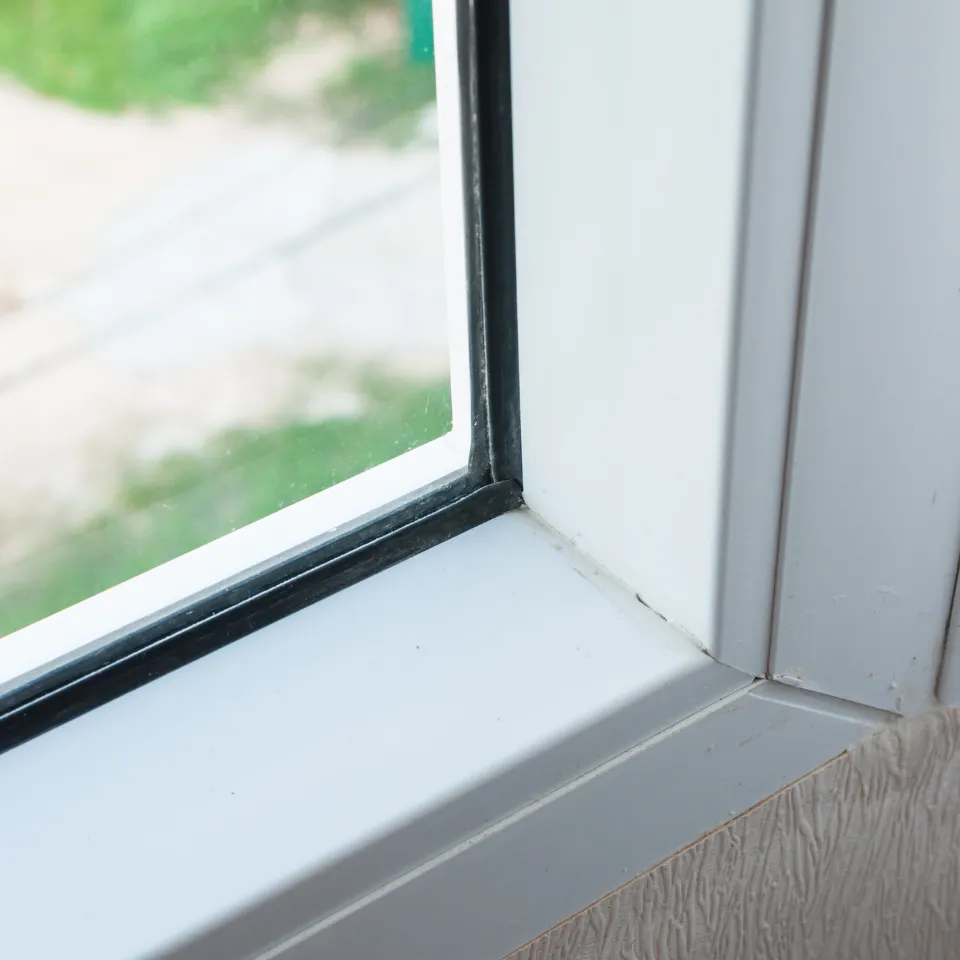
Exploring the Best Window Types for Maximum Energy Efficiency
Exploring the Best Window Types for Maximum Energy Efficiency
When it comes to making your home more energy-efficient, the type of windows you choose can make a significant difference. Energy-efficient windows are specially designed to reduce energy loss, maintain a comfortable indoor temperature, and help lower utility bills. In this article, we’ll explore the best window types for maximizing energy efficiency, what sets them apart, and how to choose the right ones for your home.
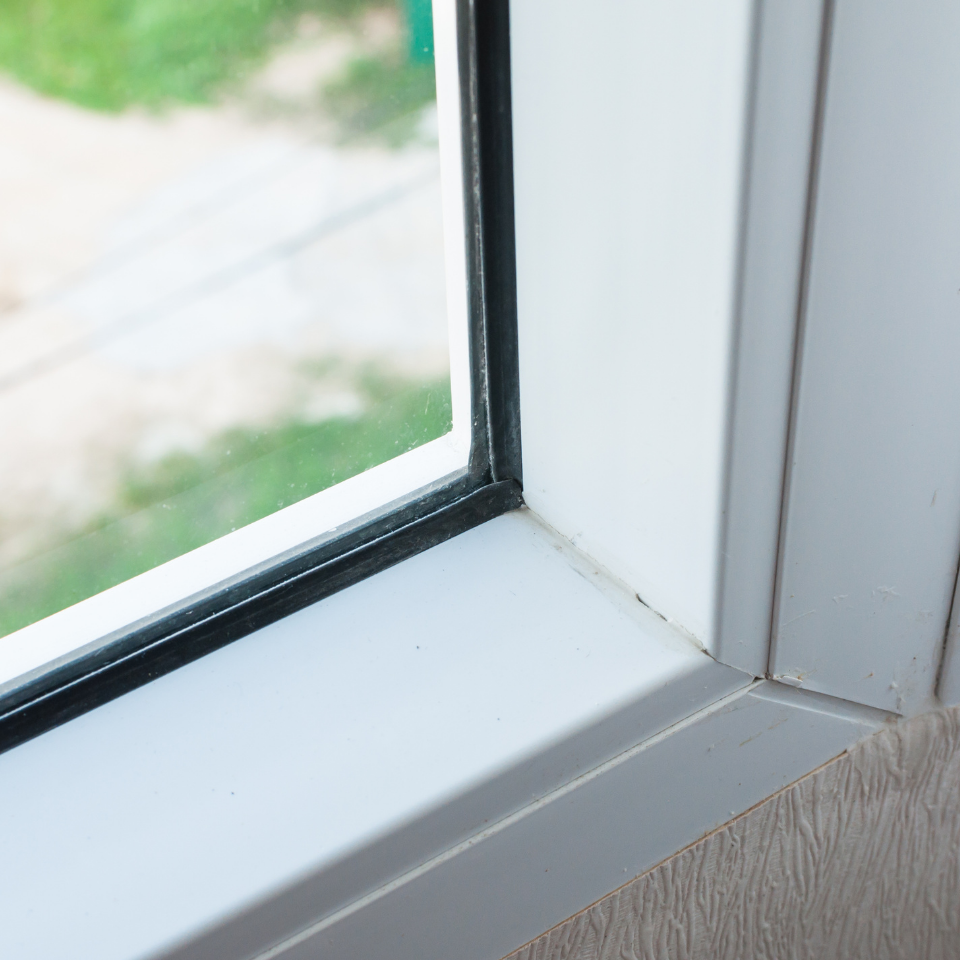
Why Window Type Matters for Energy Efficiency
Windows play a crucial role in regulating your home’s temperature. Poorly designed or outdated windows can lead to significant heat loss in the winter and unwanted heat gain in the summer. This puts extra strain on your heating and cooling systems, resulting in higher energy bills. Energy-efficient windows are engineered to minimize this heat transfer, keeping your home comfortable while reducing energy consumption.
The right window type, along with proper installation and materials, can help significantly reduce energy loss. Let’s explore some of the most efficient window types available today.
1. Double-Hung and Single-Hung Windows
Double-hung and single-hung windows are among the most common window types, known for their classic look and versatility. Here’s how they differ and how they contribute to energy efficiency:
Single-Hung Windows: In single-hung windows, only the bottom sash (the part of the window that moves) can be raised or lowered, while the top sash remains fixed.
Double-Hung Windows: Both the top and bottom sashes of double-hung windows can be opened, allowing for better airflow and ventilation. This feature makes them easier to clean and more flexible for airflow control.
Energy Efficiency Benefits:
Low-E Coatings: Both single and double-hung windows can be fitted with Low-E (low emissivity) glass, which helps reduce heat loss in winter and heat gain in summer.
Tight Seals: Modern double- and single-hung windows come with tight seals to prevent drafts and air leakage, which contributes to better energy efficiency.
While these windows may not be the most energy-efficient option when compared to other designs, they can still provide good performance, especially when upgraded with energy-saving features like double glazing and improved sealing.
2. Casement Windows
Casement windows are hinged on the side and open outward, like a door, using a crank handle. This design allows the window to open fully, providing excellent ventilation and a tight seal when closed.
Energy Efficiency Benefits:
Superior Sealing: Casement windows seal tightly when closed, as the window sash presses against the frame, reducing air leakage and improving insulation.
Great for Windy Climates: The window’s design makes it particularly effective in windy areas because the wind pressure helps seal the window tighter against the frame.
Enhanced Ventilation: Because casement windows open fully, they allow more natural airflow into your home, reducing the need for air conditioning during cooler months.
Overall, casement windows are among the most energy-efficient options available, thanks to their airtight seal and excellent insulation.
3. Awning Windows
Awning windows are similar to casement windows but are hinged at the top, allowing them to open outward from the bottom. This design allows for ventilation even during rainy weather, as the glass acts as a shield from precipitation.
Energy Efficiency Benefits:
Tight Seals: Like casement windows, awning windows close tightly against the frame, minimizing air leaks and improving insulation.
Weather-Resistant: Awning windows perform well in harsh weather conditions, making them a good option for areas with high rainfall or wind.
Improved Ventilation: Because they can remain open during light rain, they provide consistent airflow, which can help reduce indoor humidity and improve energy efficiency during mild weather.
Awning windows are a great option for bathrooms, kitchens, and other areas where you need ventilation without worrying about outdoor conditions.
4. Sliding Windows
Sliding windows operate by sliding one pane of glass horizontally over another. These windows are easy to use and offer a sleek, modern look.
Energy Efficiency Benefits:
Simple Design: With fewer moving parts than other window types, sliding windows tend to have fewer gaps where air can leak. However, they may not seal as tightly as casement or awning windows.
Durable: Sliding windows are durable and can last a long time with minimal maintenance, which contributes to their long-term energy performance.
Cost-Effective: Sliding windows are typically more affordable than other window types, making them an attractive option for homeowners on a budget who still want to improve energy efficiency.
While sliding windows may not offer the same level of insulation as some other types, they can still be energy-efficient when fitted with double glazing and Low-E coatings.
5. Fixed or Picture Windows
Fixed windows, also known as picture windows, do not open. They are designed solely to allow natural light into a space and provide a clear view of the outdoors.
Energy Efficiency Benefits:
No Air Leaks: Since fixed windows don’t open, there is no risk of air leaks around the seals, making them extremely energy-efficient.
Better Insulation: Fixed windows are typically made with insulated glass, which helps reduce heat transfer, keeping your home warmer in winter and cooler in summer.
Great for Solar Gain: If placed strategically, fixed windows can take advantage of passive solar heating during the winter months by allowing sunlight to naturally warm your home.
Fixed windows are often used in conjunction with other window types to provide a balance of natural light and energy efficiency.
6. Bay and Bow Windows
Bay and bow windows are larger window styles that project outward from the home’s exterior. A bay window usually consists of three windows: a large fixed window in the center flanked by two smaller operable windows (often casement or double-hung). A bow window is similar but consists of four or more windows arranged in a curved shape.
Energy Efficiency Benefits:
Increased Natural Light: The large surface area of bay and bow windows allows more natural light to enter, which can reduce the need for artificial lighting during the day.
Improved Insulation: When properly installed with insulated glass and energy-efficient framing materials, bay and bow windows can provide excellent insulation despite their size.
Ventilation Options: With operable side windows (usually casement or double-hung), you can control ventilation to improve air circulation and reduce the need for air conditioning.
While these windows can add aesthetic appeal and value to your home, proper installation is key to ensuring their energy efficiency due to their larger size.
7. Skylights
Skylights are windows installed in the roof or ceiling to allow natural light into a room from above. They are popular in rooms with limited wall space, such as bathrooms or attics.
Energy Efficiency Benefits:
Natural Light: Skylights reduce the need for artificial lighting during the day, which can lower your electricity usage.
Ventilation Options: Some skylights are designed to open, providing ventilation to help maintain a comfortable indoor temperature without relying on air conditioning.
Specialized Glazing: Many energy-efficient skylights come with Low-E coatings or tinted glass to reduce heat gain in the summer and prevent heat loss in the winter.
However, because skylights are often exposed to direct sunlight, it’s important to choose energy-efficient models and ensure they are properly installed to avoid potential energy loss.
Choosing the Right Window Type for Your Home
Selecting the right window type for your home depends on several factors, including your climate, the orientation of your house, and your energy goals. Here are some tips to help you decide:
Consider Your Climate: In colder climates, windows with multiple panes and insulated frames are critical for reducing heat loss. In warmer climates, look for windows with Low-E coatings and good ventilation options to reduce heat gain.
Think About Sun Exposure: Windows on the south-facing side of your home can benefit from passive solar heating, while windows on the north side should be well-insulated to prevent heat loss.
Maximize Ventilation: If ventilation is important to you, consider casement or awning windows, which can open fully and seal tightly when closed.
Look for Energy Star Certification: Always look for windows that are Energy Star certified, as these meet specific criteria for energy efficiency based on your region’s climate.
Conclusion
Choosing the best window type for maximum energy efficiency involves more than just aesthetics. It’s about finding the right balance between design, functionality, and energy performance. By selecting energy-efficient windows like casement, awning, or double-hung styles and pairing them with modern technologies such as Low-E coatings and insulated frames, you can reduce energy consumption, lower your utility bills, and create a more comfortable home. Whether you’re building new or upgrading your existing windows, making the right choice will benefit both your wallet and the environment.

Free quotes
Get my quotes
Save up to 30%
Cut energy costs with new windows.
Energy-efficient windows quote
Window replacement or repair
Help choosing the right windows for your home
Prefer to talk? Call toll free 1-877-817-2209
Thanks, your quote request is in
A TRX Windows specialist will contact you shortly to go over your project.
Want to talk now? Call toll free 1-877-817-2209
Our team brings more than 20 years of combined home services and improvement experience. Cut energy costs by up to 30% with new windows while protecting your family and home.
Explore
Legal
Get in touch
3500 John F Kennedy Pkwy, Ste 310, Fort Collins, CO 80525
© 2026 TRX Windows | Opt-out form